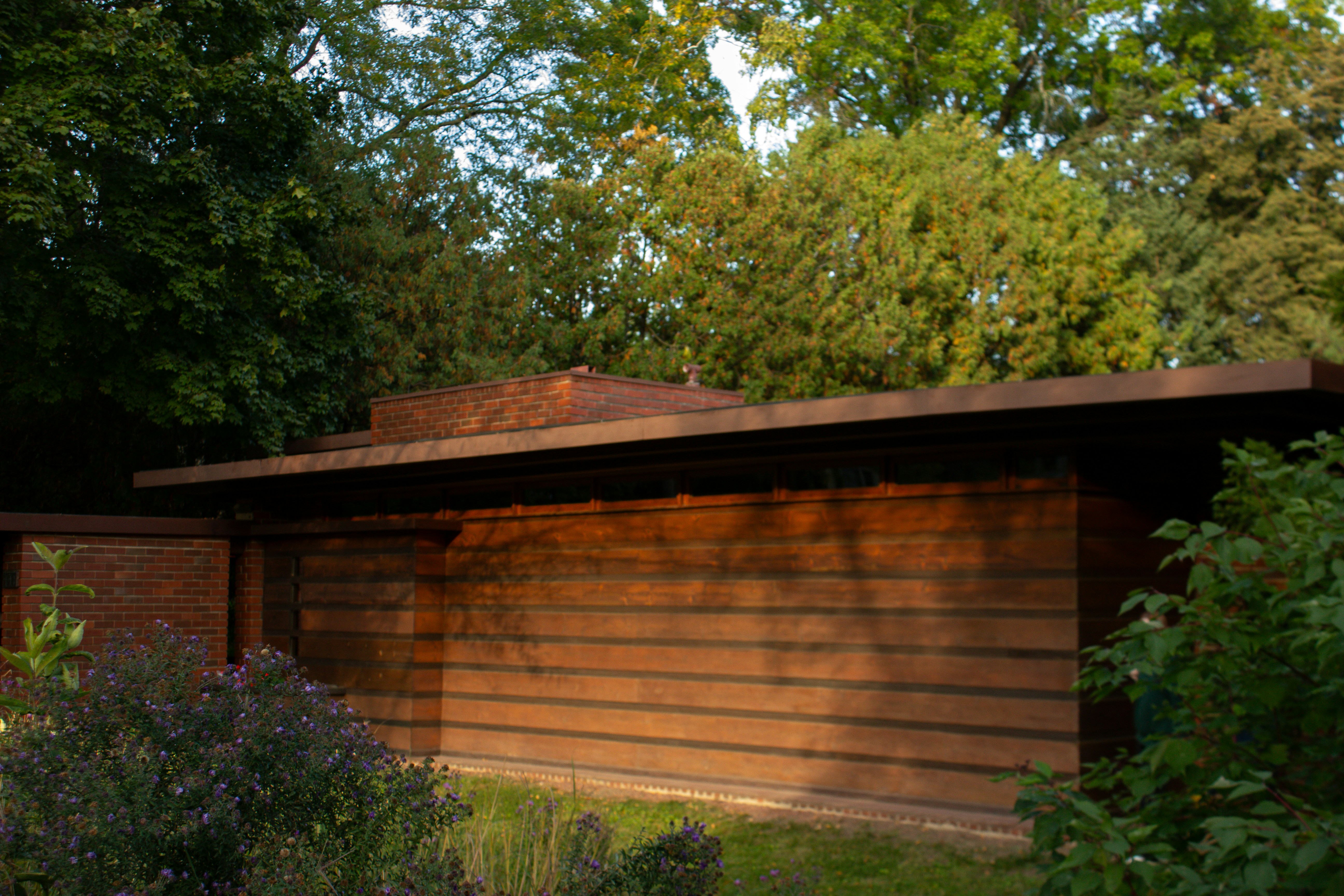
a house with a wooden roof and a brick chimney

Why consistency builds trust better than aesthetics

Why consistency builds trust better than aesthetics

A polished interface can attract attention, but consistency is what keeps users from doubting the product.

A polished interface can attract attention, but consistency is what keeps users from doubting the product.

Scroll down

a house with a wooden roof and a brick chimney

Why consistency builds trust better than aesthetics

A polished interface can attract attention, but consistency is what keeps users from doubting the product.

Scroll down

Nov 19, 2025

Aesthetic appeal is easy to achieve today — every tool offers beautiful defaults. But beauty alone doesn’t create trust. Trust forms when users see patterns, understand them instantly, and experience them repeatedly without surprises. That’s what consistency delivers.

Consistency removes cognitive friction. It tells the user, “This system behaves predictably.” When actions work the same way across pages, when spacing remains stable, when typography behaves with discipline — the system feels intentional. That feeling becomes confidence.

Inconsistency, even in small details, does the opposite. Uneven alignment, shifting layouts, irregular interactions — they signal carelessness. And if the design feels careless, users subconsciously assume the product is too.

Consistency isn’t rigid; it’s reliable. It’s the foundation that allows your more creative decisions to stand without collapsing the experience.

Good design attracts attention. Consistent design earns trust.

the sun is shining through the trees in the park
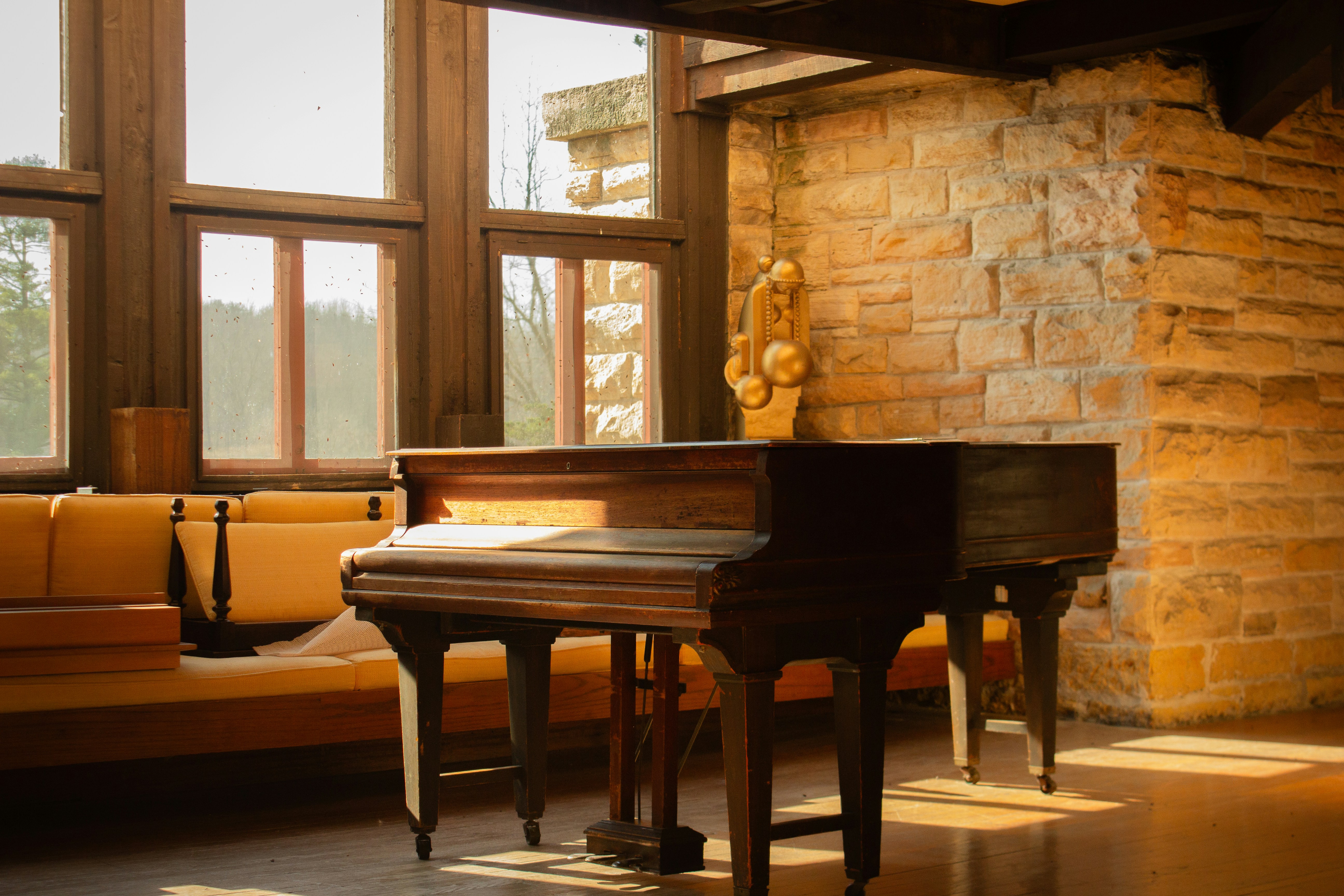
a piano sitting in front of a window in a living room

Nov 19, 2025

Aesthetic appeal is easy to achieve today — every tool offers beautiful defaults. But beauty alone doesn’t create trust. Trust forms when users see patterns, understand them instantly, and experience them repeatedly without surprises. That’s what consistency delivers.

Consistency removes cognitive friction. It tells the user, “This system behaves predictably.” When actions work the same way across pages, when spacing remains stable, when typography behaves with discipline — the system feels intentional. That feeling becomes confidence.

Inconsistency, even in small details, does the opposite. Uneven alignment, shifting layouts, irregular interactions — they signal carelessness. And if the design feels careless, users subconsciously assume the product is too.

Consistency isn’t rigid; it’s reliable. It’s the foundation that allows your more creative decisions to stand without collapsing the experience.

Good design attracts attention. Consistent design earns trust.
the sun is shining through the trees in the park
a piano sitting in front of a window in a living room

Have a project in mind?

Let’s discuss how Framehaus can help shape it.

Create a free website with Framer, the website builder loved by startups, designers and agencies.